


The Nervous System and Movement
Why feeling supported allows strength to develop more fully
Movement is often described as mechanical—muscles contract, joints move, exercises get done. But beneath every strong movement is the nervous system, constantly assessing how much force can be produced, how much range is available, and how much load the body can manage safely in that moment.
As a Pilates instructor, I pay close attention to how the nervous system shows up in movement. Not to avoid challenge, but to make sure strength work actually lands in the body instead of getting blocked by unnecessary tension or guarding.

Movement Is Not Just Mechanical
Strength is never just about muscle. Every movement decision passes through the nervous system first.
When the nervous system feels supported, the body can access more range, generate more force, and tolerate higher levels of load. When it doesn’t, strength work often turns into bracing, gripping, or fatigue that feels disproportionate to the effort.
This doesn’t mean the work is too easy or too hard—it means the system may not be fully on board yet.
Understanding this allows strength training to become more effective, not less demanding.
Why Safety Supports Strength
The nervous system’s primary role is protection. If it doesn’t perceive sufficient support, it limits movement options—even in a strong body.
This is why some people work very hard but don’t see the strength gains they expect. The muscles are capable, but the nervous system prioritizes control over adaptability. Breathing becomes shallow. Range narrows. Fatigue arrives early.
Strength alone doesn’t override this response. Support allows strength to be expressed more fully.
When the nervous system feels supported, the body can work harder without relying on excess tension.
How the Nervous System Shapes Strength Patterns
When the nervous system feels secure, muscles coordinate efficiently and joints handle load with clarity. Force is distributed across the system rather than concentrated in a few areas.
When it feels threatened—even subtly—movement becomes rigid. The body relies on familiar strategies and avoids variability. This is often when chronic tension shows up in the neck, shoulders, hips, or low back during otherwise strong work.
These patterns aren’t flaws. They’re protective strategies. Recognizing them allows strength training to be refined rather than forced.
Pilates as Intelligent Strength Training
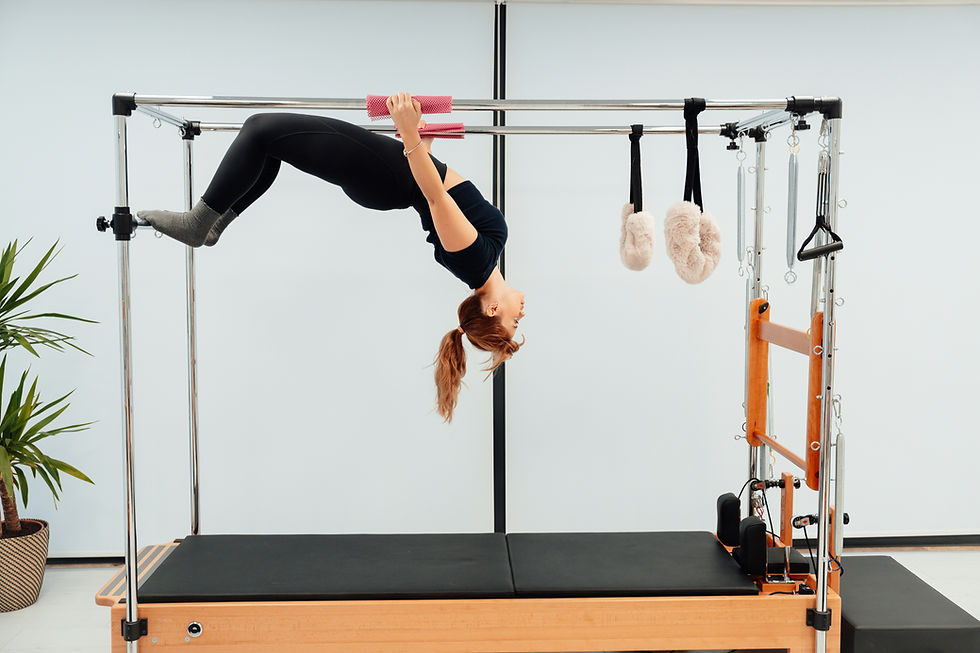
Pilates is often labeled as controlled or precise, but that doesn’t mean it’s gentle.
The work is demanding—but it’s demanding in a way that asks the body to organize itself well under load.

Slower pacing, clear alignment cues, and intentional transitions give the nervous system time to process information so strength can be expressed with more efficiency. Load is still present. Challenge is still there. But effort is shared across the system instead of concentrated through tension.
Why Forcing Strength Often Limits Progress
When strength work is forced without enough support, the nervous system often pushes back.
Muscles tighten unnecessarily. Breathing becomes restricted. Range of motion decreases. Strength plateaus or pain appears.
This is why more intensity doesn’t always lead to better results. The body may interpret the input as threat rather than opportunity.
Pilates works differently. It challenges the body while teaching the nervous system how to tolerate and respond to load more effectively.
Signs the Nervous System Needs Better Support
There are subtle signs I watch for during challenging work. Breath holding. Jaw tension. Excessive gripping. Sudden fatigue. Difficulty transitioning between exercises.
These aren’t signs that the work is wrong or too hard. They’re signs that the nervous system needs more clarity so strength can continue to build.
Often, small adjustments—alignment, pacing, or load—allow the work to stay challenging while restoring efficiency.
Movement as Communication Under Load
Movement sends constant information to the nervous system. When that information is clear and consistent, the system responds by allowing more freedom and more strength.
Over time, muscles engage without overworking. Strength feels organized rather than forced. Confidence grows because the body knows it can handle the work.
This is why Pilates isn’t just about exercising muscles. It’s about teaching the nervous system how to support strength under load.
When Strong Movement Carries Beyond the Studio
When the nervous system learns to respond to challenge with less tension, those patterns often extend into daily life.
People feel stronger and more resilient—not just in workouts, but in how they move through stress, fatigue, and physical demands. Movement feels supportive rather than draining.
This is the result of strength that the body can actually use.
Final Thoughts: The Nervous System and Movement
Not every body needs less challenge. Some bodies need better support so challenge can land.
When movement works with the nervous system rather than against it, strength becomes more accessible, more durable, and more sustainable.
This is why I approach Pilates as intelligent strength training—one that builds capacity by teaching the body how to handle load, not just endure it.

Lauren Dalke is a STOTT-certified Pilates instructor with over 15 years of experience, specializing in private sessions that integrate biomechanics, functional strength training, and nervous system–informed movement. She is the founder of LDV Pilates in Mar Vista, CA.


Comments